
Flat Embroidery vs. 3D Puff: Which Should You Choose?
Do not underestimate just how important the embroidery style can be when you are putting together custom apparel. You may not realize it, but the way a logo, name, or design is stitched onto a garment can influence its overall appearance and how people notice it. This is where the flat embroidery vs 3D puff decision comes in.
So, which one should you choose?
Flat embroidery gives your designs a smooth and detailed finish, while 3D puff embroidery gives you height and a more pronounced visual effect. At the end of the day, both techniques can bring something different to caps, polos, jackets, uniforms, bags, and other apparel.
However, the right choice depends on your artwork, the garment you have selected, where the embroidery will go, and the kind of look you have in mind.
But in order to do that, you need to first understand how each technique works, and only then can you easily compare them.
What Is Flat Embroidery?
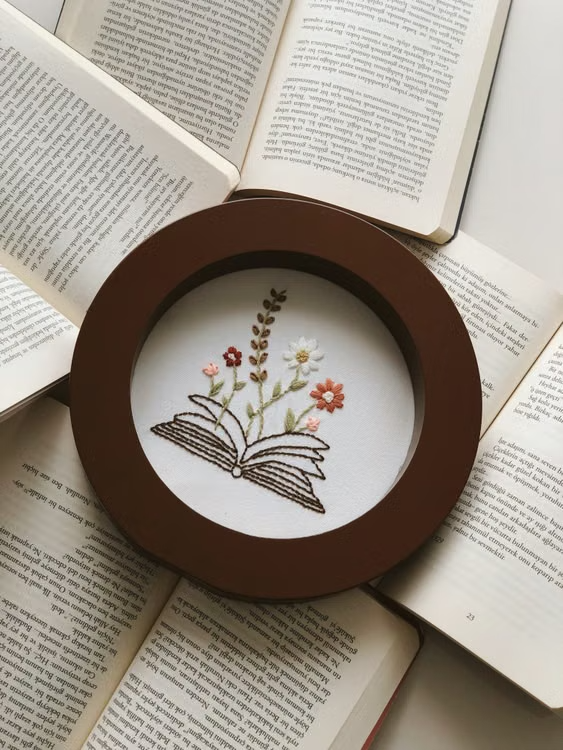
So, what is flat embroidery, and why does it remain such a popular option for custom apparel all over the globe?
Flat embroidery places stitches directly onto the fabric and creates a smooth design that sits close to the garment’s surface. This technique gives the artwork a clean, defined appearance without adding noticeable height. The result works across many types of personalized clothing and accessories.
The technique can accommodate logos, lettering, symbols, and artwork with several visual elements. Because the stitches remain relatively close to the fabric, designers can work with smaller components and more detailed shapes than they generally would with raised embroidery. The exact result still depends on the artwork, stitch settings, thread selection, fabric, and final embroidery size.
Flat embroidery can suit company uniforms, polos, jackets, bags, caps, and other products where the embroidered artwork needs to maintain a clear connection with the underlying garment. It also gives businesses room to use established logo designs without necessarily simplifying every element.
What Is 3D Puff Embroidery? Understanding the Raised Effect
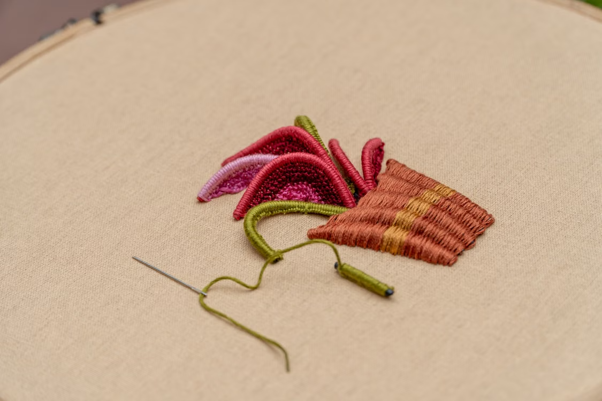
3D puff embroidery gives embroidered artwork a raised appearance by adding height beneath selected stitched areas. Instead of keeping every part of the design close to the fabric, the technique forms a dimensional effect that can make letters, symbols, and bold shapes on your brand merchandise stand out.
This approach is particularly useful when the design itself benefits from a stronger visual presence. Block lettering, simple logos, numbers, and uncomplicated shapes can make effective use of the added dimension. The design generally needs enough space between elements for the raised stitching to remain visually clear.
The foam layer used beneath the stitches contributes to the characteristic puffed appearance. During production, embroidery machines stitch through the material and fabric, creating the raised surface once the process is completed.
That makes the 3D puff different from simply using a thicker thread or increasing the number of stitches in an ordinary design. The dimensional effect comes from the construction of the embroidered area itself.
Puff embroidery can add a particularly noticeable finish to caps, hats, jackets, hoodies, and other apparel. It can also work beautifully when only selected portions of a larger logo receive the raised treatment, allowing flat and dimensional stitching to exist within the same overall design.
Flat Embroidery vs 3D Puff: How to Decide
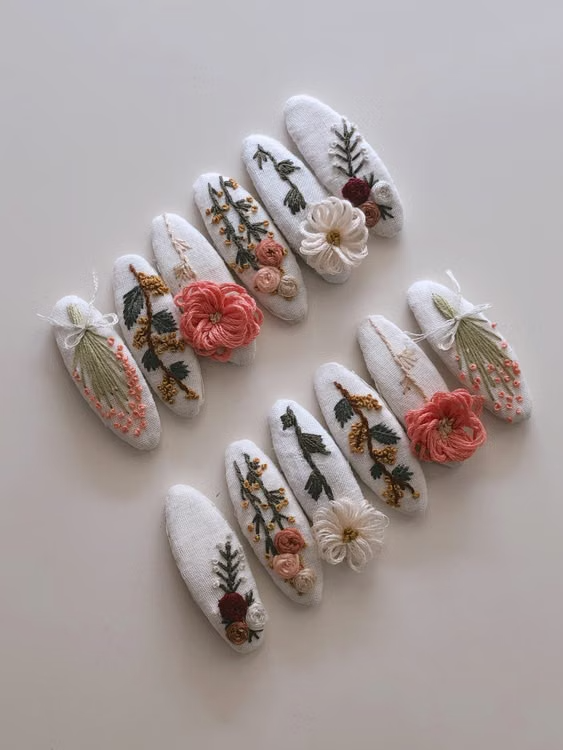
In a flat vs 3D embroidery comparison, both techniques can produce polished results, but each responds differently to design details, fabric characteristics, and the amount of visual depth you want.
Rather than choosing based on appearance alone, it helps to look at some of the most important factors that can affect the finished embroidery. Here are the key points to consider.
1. Start With the Details in Your Artwork
The artwork itself can quickly narrow down which embroidery method makes sense. Flat embroidery can handle intricate lettering, smaller elements, fine outlines, and logos containing several components.
3D puff embroidery generally works better when the artwork has bold lettering, uncomplicated shapes, and enough separation between individual elements. Tiny details can become difficult to distinguish once foam and raised stitching enter the design. A simpler logo can therefore take advantage of the dimensional effect without losing its visual clarity.
2. Think About Where the Design Will Go
The location of your design can also have an impact on how well either technique performs. Before choosing between flat vs raised embroidery, consider the available space, the shape of the garment, and how the finished piece will sit when worn.
For example, embroidery placement on a shirt chest may need a different approach from a design covering the front panel of a baseball cap. A detailed logo, on the other hand, can benefit from the subtle appearance of flat stitching, while a bold name or symbol may have enough room to make good use of added dimension.
You should also consider areas that bend, fold, or experience regular contact. The physical position of the design can affect how noticeable its texture feels and how clearly the artwork remains visible during use.
3. Consider the Fabric Before Choosing
Most people do not know, but fabric can change how embroidery looks and behaves. A lightweight material may respond differently to dense stitching than a firmer garment, while stretch fabrics can introduce additional considerations during production. That makes the garment itself an important part of the decision.
A recent study on embroidered fabrics examined polyester-cotton shirting materials alongside different embroidery threads, stitch densities, and stitch lengths. It found that the base fabric, stitch density, and thread properties had significant effects on fabric drape, with embroidery capable of reducing drapeability and changing how the fabric behaves.
This matters when comparing puff embroidery vs regular embroidery because the visual effect is only one part of the finished result. The fabric needs to support the selected stitching approach while still behaving appropriately for the garment.
Bring Your Embroidery Idea to Life
By now, you may have understood that choosing between flat and raised stitching becomes much easier once you consider your artwork, fabric, garment, placement, and the finished look you want to achieve. And ultimately, the decision of flat embroidery vs. 3D puff comes down to finding the technique that works naturally with your specific design and apparel, and helps bring your ideas to life.
At MJ Embroidery & Screen Printing, we help customers make that choice with the design and garment in mind. From detailed logos and lettering to bold dimensional artwork, our team can prepare your design for embroidery and recommend an approach that suits the finished product. We also provide professional digitizing and stitch-out samples, which give you a chance to see how your artwork translates before production begins.
Whether you need embroidered polos, caps, uniforms, bags, or other custom apparel, we can help turn your design into a finished embroidered piece that looks right and works for its intended use.
