DTF vs Sublimation Printing: Which Should You Choose?
Choosing the right printing method can make a big difference in how your custom apparel differentiates from all the others in the market.
If you need colorful team shirts, branded workwear, or personalized T-shirts for an upcoming event, two popular printing options worth considering are direct-to-film (DTF) and sublimation printing. Both offer different advantages depending on your design, fabric, and intended use.
Consequently, it becomes crucial to understand DTF vs. sublimation, and it starts with knowing how each method applies color to a garment.
DTF works across a wider range of fabrics, including cotton and darker materials, while sublimation produces vibrant, lasting designs on suitable polyester garments. Let’s take a closer look at how these methods compare so you can make the right choice for your next project.
DTF vs Sublimation: Making a Decision
Making the decision between DTF and sublimation depends on your garment material, artwork, desired finish, and budget. Each method has strengths, so understanding your priorities can help you avoid disappointing results and choose the right printing option.
Here are a couple of important factors to consider before making your decision.
1. Fabric Type and Garment Color

Before going with a printing method, consider the fabric you want to decorate and the color of the garment. This is usually the biggest difference between DTF and sublimation, since each technique works differently with textile fibers.
Direct-to-film printing offers flexibility across cotton, polyester, and many fabric blends. It also works well on dark garments because the process uses white ink beneath the colored design. This makes DTF a good choice for black T-shirts, cotton hoodies, staff uniforms, and other apparel where the artwork needs to stand out clearly.
On the other hand, sublimation has more specific material requirements. The dye bonds with polyester fibers during heat application, which ends up producing a design that becomes part of the fabric rather than sitting on its surface.
White or light-colored polyester garments generally provide the best results because sublimation ink cannot print opaque white and does not cover dark fabric effectively.
So, if you are planning custom sublimation shirts, make sure to pick out suitable polyester garments before finalizing the artwork. In case your project calls for cotton shirts, dark fabrics, or mixed-material apparel, DTF may provide greater flexibility. That is why matching the printing method to the garment from the beginning helps you achieve the intended appearance.
2. Artwork Complexity and Desired Finish
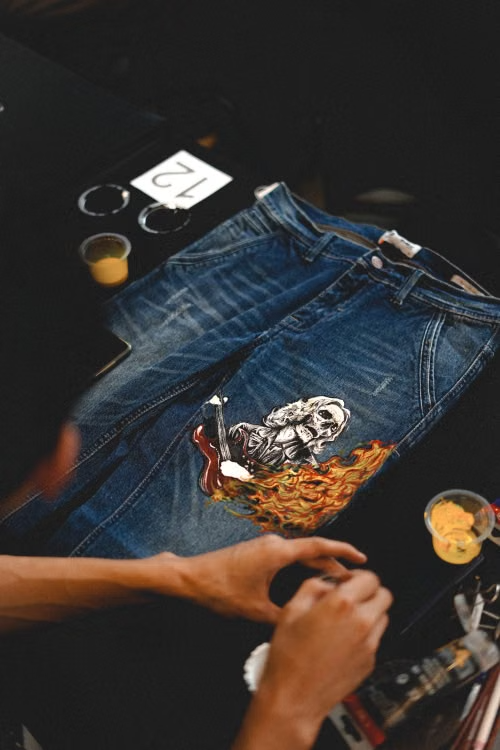
What will your design look like once it reaches the garment? Answering this question, ‘What is the difference between DTF and sublimation?’ can help you understand how each method affects the finished design.
DTF handles intricate illustrations, fine lettering, colorful logos, and photographic artwork. Its white ink layer allows designs to remain visible against dark backgrounds, which makes it useful for promotional shirts, event merchandise, and detailed branding. However, the printed area sits on top of the fabric and creates a slight texture that can become more noticeable with larger graphics.
Meanwhile, sublimation suits designs that cover substantial areas of the garment, including gradients, repeated patterns, and full-color artwork. Since the dye bonds with suitable polyester fibers, the printed area retains the fabric’s original surface texture. This works especially well for athletic jerseys and all-over designs where continuous color matters.
When weighing sublimation vs. heat transfer, remember that heat transfer describes a broader category of processes, rather than one specific printing method. DTF is itself a heat-applied transfer technique, while sublimation uses heat to turn specialized ink into a gas that bonds with compatible materials.
Think about how your custom designs should look when someone wears the finished garment. Small chest logos and detailed graphics may suit DTF, while edge-to-edge patterns on light polyester apparel tend to favor sublimation. The right choice depends on your artwork, garment, and desired finish.
3. Durability, Washing, and Daily Use
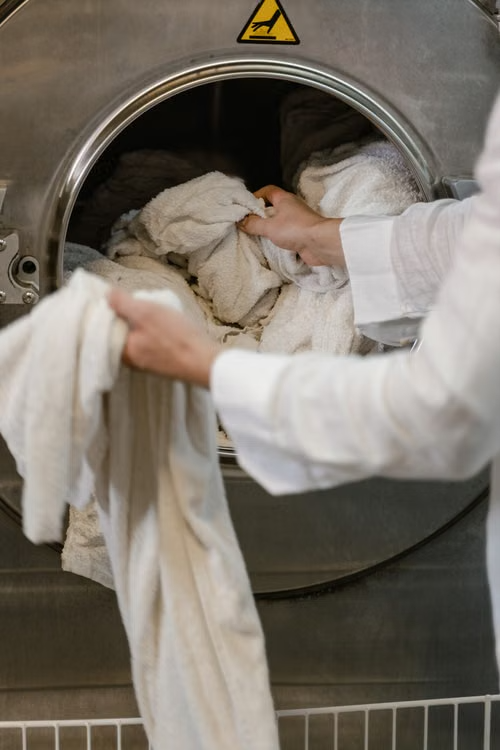
Printed apparel sometimes gets worn, washed, folded, and packed repeatedly, so durability deserves attention before you place an order. When comparing DTF transfer vs sublimation, consider how the finished garment will be used and maintained.
Sublimation gives you an advantage because the dye bonds with compatible polyester fibers instead of forming a separate layer on top. The print does not give the illusion of a raised film, and it generally resists cracking or peeling associated with surface-applied designs. However, results still depend on fabric quality, ink, heat settings, and proper production.
DTF prints can also last through regular wear when the transfer is produced and applied correctly. Adhesive quality, curing, pressing temperature, pressure, and application time all affect how well the design stays attached.
Where daily uniforms are concerned, promotional apparel, or frequently worn team shirts, ask about garment care instructions and the recommended washing process. Turn garments inside out when appropriate, use suitable wash settings, and follow the printer’s guidance. Neither method guarantees identical results across every fabric and production setup, so quality materials and correct application remain essential.
4. Budget, Product Options, and Project Requirements
Your budget should reflect the entire project, including garment selection, design preparation, printing, and order quantity. Neither method is automatically cheaper in every situation, because pricing depends on the provider, artwork, materials, and production requirements.
Sublimation can be an efficient option for suitable polyester apparel and coordinated products such as polymer-coated mugs. It also works well for projects requiring extensive color coverage. However, you must select compatible blanks, which can limit garment choices for certain orders.
In contrast, DTF accommodates a broader range of apparel materials and garment colors. That flexibility can simplify projects involving cotton shirts, dark hoodies, or several different fabric types. If your order includes multiple garment styles, ask your printer whether the same production approach can accommodate each item.
For sublimation shirt printing, confirm that your chosen shirts contain suitable polyester fabric and have a light enough base color. This simple check can prevent unnecessary changes after you approve the design. Where textured logos are involved, or a more traditional stitched finish, embroidery may be worth considering alongside printing.
Find the Right Printing Method for Your Next Project
Ultimately, DTF vs sublimation comes down to your garment, artwork, and intended use. DTF provides flexibility across fabric types and garment colors, while sublimation excels on light polyester apparel and compatible coated products.
Each method can produce attractive results when matched with the right materials and production process.
If you are planning branded uniforms, event shirts, team apparel, or personalized merchandise, M J Embroidery & Screen Printing can help you explore suitable options.
Our services include screen printing, embroidery, and custom printing for a variety of apparel and promotional products. Contact our team to discuss your design, compare available methods, and find the right fit for your next order.